We offer a new customer discount for first-time buyers.
We offer not only the current bestsellers on the market, but can also customize a tent just for you.
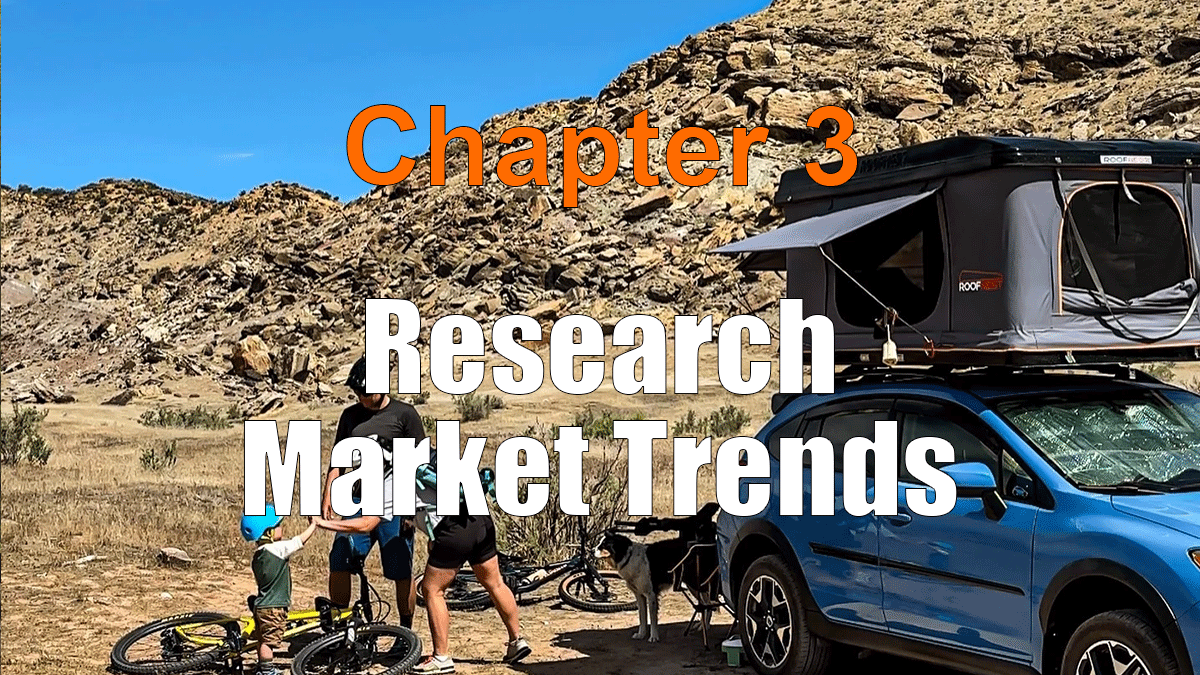
I’ve watched too many people jump into rooftop tent importing with stars in their eyes and zero research. Six months later, they’re sitting on containers of wrong-sized tents, wondering where it all went wrong.
Let me save you the trouble. Here’s what you actually need to know before spending a single dollar.
I know it’s exciting. You see those profit margins and want to move fast. But trust me – the importers who lose money are the ones who skip this step.
It’s free. It takes 10 minutes. And it’ll tell you more about your market than any supplier conversation will.
What you’re looking for: consistent growth, seasonal patterns, and regional hot spots. If searches are dropping in your market, that’s a signal to reconsider.
Here’s a hard truth: that $350 quote on Alibaba? It’s not your landed cost. Not even close.
Add it up. Your cheap tent actually costs $780-$1,400 by the time it hits your warehouse.
If you’re selling locally for $1,200, that’s not a great margin. But if you’re selling for $1,800? Now we’re talking.
After watching hundreds of imports – successful and failed – here are the four things that separate winners from the rest:
Pick tents that solve real problems. Not the flashiest design – the one that makes someone’s camping trip actually better.
Import products that aren’t easily available in your market. If Home Depot already sells the same thing for less, you’ve lost before you started.
Choose products you can actually customize. Maybe it’s just adding your logo. Maybe it’s a unique color. Something that makes YOUR brand distinct.
If you’re new to this, start with products that already sell well somewhere else. Why? Because the bugs have been worked out. The supplier knows how to make it right.
Rooftop tents are big. Really big. And heavy. This has two implications:
I know waiting is hard. But paying $500 for air freight on a tent you could’ve sea-shipped for $150? That’s a rookie tax.
Before you buy anything, check:
Finding out you can’t sell your imported tents because of missing certifications? That’s a $20,000 lesson.
Before your next message to a supplier, make sure you’ve done these:
Do this groundwork, and importing becomes straightforward. Skip it, and you’re just gambling with your money.
Questions about the process? I’ve been through it. Happy to help.